
In the world of virtual soccer, two titans reign supreme: FIFA and PES. Gamers everywhere have passionately debated which title deserves the crown, and the rivalry is as fierce as a last-minute penalty shootout. FIFA boasts its licenses and flashy graphics, while PES champions its gameplay and realism. It’s like choosing between a flashy sports car and a reliable old pickup—both have their charm.
Overview of FIFA vs PES
FIFA and PES represent two distinct approaches to soccer simulation. Gamers often debate their preferences based on specific attributes. FIFA emphasizes licensed leagues, teams, and real player likeness, attracting fans who appreciate authenticity. With over 30 official leagues and more than 700 clubs, FIFA offers a comprehensive experience.
On the other hand, PES focuses on realism and gameplay mechanics. Players frequently cite its fluid controls and tactical depth as unique selling points. PES may not boast as many licenses, but its gameplay attracts those who prioritize an immersive sports experience.
Graphics also differ significantly between the two games. FIFA’s visuals shine with realistic animations and detailed stadiums. PES attempts to create a more lifelike feel with player movements and environmental details, although opinions on their graphical quality vary.
Community engagement plays a vital role in this rivalry. FIFA offers Ultimate Team, allowing players to build squads through card packs. PES, with its Master League mode, lets players manage clubs and develop players over seasons. This fundamental difference appeals to gamers seeking various facets of soccer simulation.
Players notice the impact of updates and patches on both games. FIFA regularly refines player ratings and mechanics, ensuring an up-to-date playing environment. PES provides a formula for improving realism and balance regularly, enhancing user experience.
Ultimately, FIFA and PES cater to diverse player preferences. While one game excels in licensing and graphics, the other shines through gameplay engageability. Each title has its loyal fanbase, contributing to an ongoing rivalry that captivates gamers around the world.
Game Mechanics Comparison
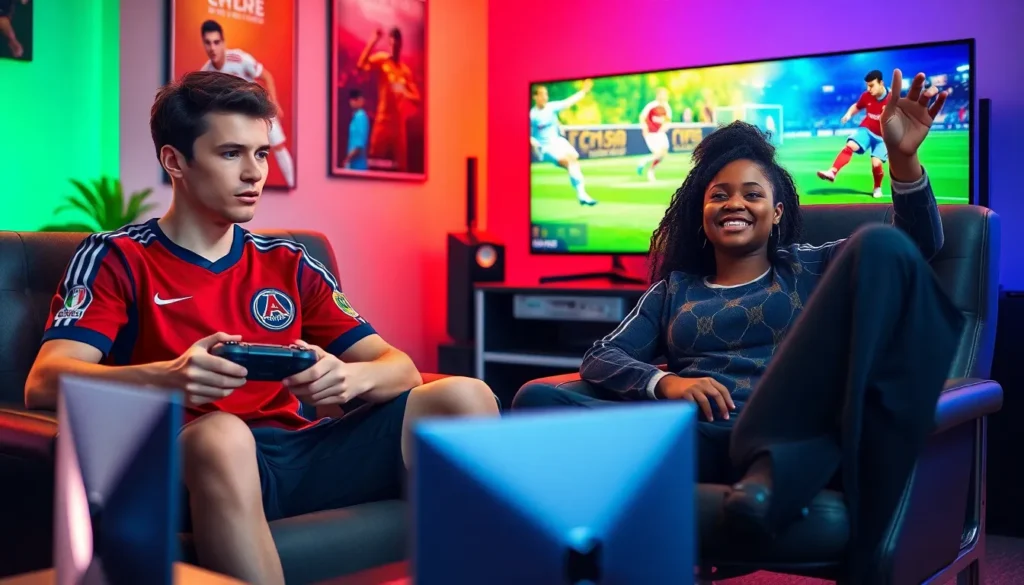
FIFA and PES each offer distinct gameplay mechanics that appeal to various players. Each game incorporates unique features that shape the gaming experience.
Gameplay Features
FIFA emphasizes licensed content, providing access to real teams, leagues, and player likenesses. Gamers experience over 30 official leagues, enhancing realism and immersion. PES prioritizes gameplay mechanics, focusing on fluid controls and tactical depth. Players appreciate PES for its nuanced gameplay that rewards skill and strategy. Both titles feature various modes, catering to different playstyles. Player interactions and AI behavior differ significantly, adding further depth to each game.
Controls and Accessibility
FIFA promotes accessibility with user-friendly controls and simplified mechanics. New players can quickly grasp the fundamentals, enjoying a seamless introduction to the game. PES often engages seasoned players with more complex control schemes. The precise movements and tactical options require practice but offer a rewarding experience over time. Options for customization enhance gameplay in both titles, allowing players to tailor their experience. Accessibility features, such as simplified controls in FIFA, make it appealing to a broader audience.
Graphics and Presentation
Both FIFA and PES prioritize graphics and presentation, creating distinct visual experiences for players. FIFA emphasizes realistic animations and meticulously crafted stadiums, showcasing vibrant colors and atmospheric details. PES, in contrast, pursues lifelike movements and environmental realism, focusing on how players interact within the game world.
Visual Quality
FIFA features impressive graphics, managing to depict players with detailed likenesses and dynamic environments. More than 30 licensed leagues contribute to the authenticity of team uniforms and branding. PES delivers a different approach through its emphasis on subtle player movements and animations, capturing the essence of real-life soccer. Lighting effects and varied weather conditions increase immersion, enhancing the overall gaming experience.
Sound Design
FIFA excels in sound design with commentary that adds excitement to gameplay. The match atmosphere includes crowd reactions that shift with game development, producing a realistic soundscape. PES balances this by featuring ambient sounds and commentary focused on the tactical aspects of matches. Unique sound elements further enrich different stadiums, promoting varied audio experiences. Each title effectively enhances the immersive quality of soccer simulations through their audio offerings.
Licensing and Teams
Licensing plays a significant role in the identity of FIFA and PES, influencing the overall gaming experience.
Official Partnerships
FIFA boasts strong relationships with organizations like UEFA and FIFA itself. Official partnerships grant access to real leagues, teams, and tournaments. The licensing includes recognizable tournaments such as the Champions League and FIFA World Cup. Such collaborations enhance authenticity, giving gamers a realistic soccer experience. Conversely, PES has limited partnerships but includes notable leagues like La Liga. Some iconic clubs have licensed their names within PES, despite the smaller roster. Official teamwork creates distinct environments in both games, catering to different player preferences.
Team and Player Roster
FIFA features more than 700 clubs across over 30 leagues, providing players with a wealth of options. Popular leagues include the Premier League, Bundesliga, and Serie A. Player likeness is accurate, thanks to extensive scanning technology, ensuring realism. In comparison, PES has fewer licensed teams, yet it emphasizes its fidelity to actual player skills and movements. Each game offers unique rosters, impacting strategies and gameplay nuances. Gamers seeking official branding may prefer FIFA, while those valuing gameplay mechanics might lean toward PES. This diversity in team options shapes player choices and gaming experiences.
Online Features and Community
Both FIFA and PES foster vibrant online communities where players connect and compete. The features offered by each game significantly influence player interaction and enjoyment.
Multiplayer Experience
Online multiplayer experiences shape gameplay dynamics in FIFA and PES. FIFA’s Ultimate Team promotes cooperative play by allowing users to create squads and compete against others. Regularly scheduled events enhance competition and foster camaraderie, keeping players engaged. PES offers an enjoyable experience through its various online modes, including myClub. Players can build and develop their teams while facing opponents from around the globe. Both games support cross-platform play, broadening the player base and enhancing competition between communities.
Community Contributions
Community engagement plays a crucial role in both FIFA and PES. FIFA’s user-generated content shines through its extensive customization options, allowing players to create unique kits and stadium designs. Contributions from the community shape in-game experiences, fostering creative expression. PES also encourages community involvement by providing platforms for players to share tips and strategies. Dedicated forums and social media groups thrive, where enthusiasts discuss gameplay and share future aspirations for the game. The dedication of players not only strengthens community bonds but also fuels both franchises’ ongoing development.
The rivalry between FIFA and PES continues to ignite passion among gamers worldwide. Each game offers a unique approach to soccer simulation that caters to different player preferences. FIFA’s extensive licensing and vibrant presentation appeal to those seeking a comprehensive experience. On the other hand, PES’s focus on gameplay mechanics and realism attracts players who value tactical depth and skill.
Ultimately the choice between FIFA and PES boils down to individual priorities in gaming. Whether it’s the thrill of managing a licensed team or mastering fluid controls in a realistic setting both games provide rich experiences that keep players engaged. As both franchises evolve they’ll likely continue to shape the future of soccer gaming, ensuring that the debate remains alive and well in gaming communities.