
In the world of FIFA, gameplay mechanics are the unsung heroes behind every stunning goal and heart-stopping save. They’re the secret sauce that transforms a casual kickabout into a thrilling battle for glory. Imagine dribbling past defenders like a magician or executing a last-minute tackle that sends your opponent’s dreams crashing down. It’s not just a game; it’s a symphony of skill, strategy, and a sprinkle of luck.
But let’s face it—understanding these mechanics can feel like deciphering hieroglyphics at times. From finesse shots that defy physics to tactical formations that can make or break a match, FIFA’s gameplay mechanics are as deep as a goalkeeper’s dive. So, buckle up as we dive into the intricacies of these mechanics, ensuring you not only play but dominate on the virtual pitch. After all, who wouldn’t want to reign supreme in the beautiful game?
Overview of FIFA Gameplay Mechanics
FIFA’s gameplay mechanics enhance the player experience, transitioning it from casual enjoyment to competitive play. Each mechanic plays a significant role in how players perform on the field. Dribbling allows for greater control over the ball, enabling players to maneuver past defenders effectively. Tackling mechanics provide clarity on how to regain possession, encouraging strategic defensive play.
Passing involves various techniques, including through balls and lofted passes, which determine the pace and accuracy of the ball. Shooting mechanics, combined with player positioning, influence goal-scoring opportunities. Players utilize finesse shots and volleys to create diverse scoring chances.
Defensive strategies define how players counter their opponents. Pressing and positioning influence overall team dynamics. Players can engage in tactics such as switch play and counterattacks to exploit weaknesses in the opponent’s formation. Each mechanic offers layers of strategy, which become essential in competitive matches.
Set pieces, including corner kicks and free kicks, incorporate unique gameplay elements. Players can customize their approach to maximize scoring potential. Timing and angle play crucial roles during these situations, affecting outcomes significantly.
Understanding these intricacies forms a foundation for any FIFA player. Mastering dribbling, tackling, passing, and shooting engages players deeply with the game. Diving into set pieces and defensive strategies builds a comprehensive skill set. This knowledge empowers players to elevate their gaming experience and achieve higher levels of success in FIFA.
Core Gameplay Features
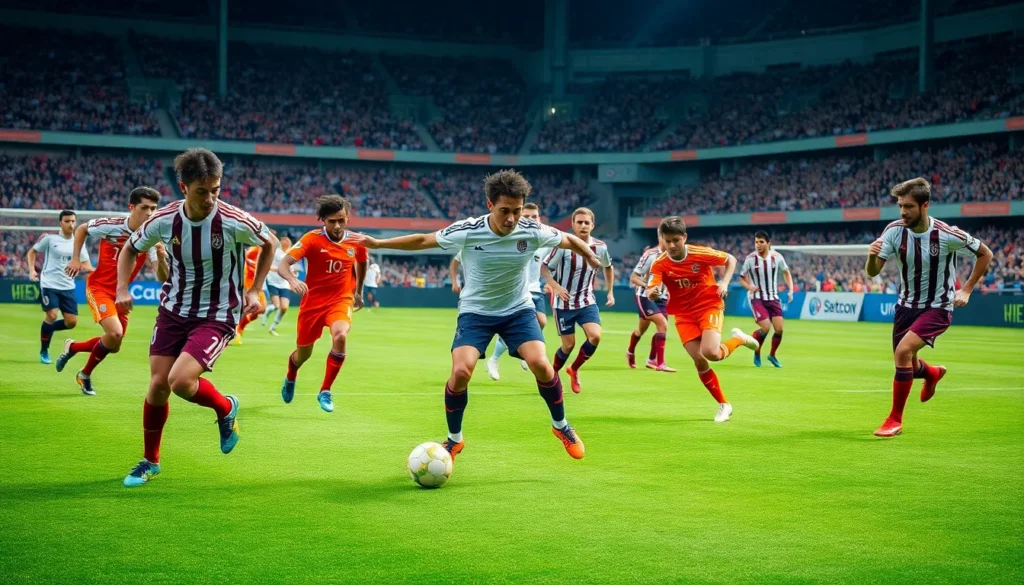
FIFA’s gameplay features enable players to engage effectively on the virtual pitch, enhancing both competition and enjoyment.
Player Control and Movement
Player control emphasizes precision and responsiveness. Advanced dribbling techniques create opportunities for breakaways and skill moves, providing players with diverse options during play. Additionally, sprinting mechanics allow for burst speed, crucial in fast-paced situations. Players can also utilize left stick movements for agile turns, helping to navigate tight spaces. Enhanced animations provide fluidity, significantly impacting overall gameplay experience. Heightened control mechanisms aid in executing skill moves, leading to successful plays and improved player engagement.
Tactical Team Strategies
Tactical strategies allow teams to adapt based on the opponent’s strengths and weaknesses. Pressing can disrupt opposing plays, forcing turnovers. Organized defensive setups prevent easy goals, emphasizing the importance of positioning. Players can engage in switch plays to exploit gaps, shifting the ball quickly to open teammates. Counterattacks become effective strategies, catching opponents off guard. Furthermore, formations play a pivotal role, influencing how players connect and interact. Understanding these tactics enhances gameplay, enabling teams to perform cohesively and strategically.
Match Simulation and AI
Match simulation and AI in FIFA create an immersive experience, reflecting real-world football dynamics. Players engage with opponents that adapt strategically, offering a challenge reflective of actual gameplay.
Realistic Opponent Behavior
AI-controlled players exhibit behavior similar to their real-life counterparts. They assess the field, anticipating movements and adjusting tactics accordingly. Opponents display varying levels of difficulty, requiring players to adapt their strategies. Some opponents press aggressively, while others implement a more defensive stance. This variety enhances gameplay, forcing players to refine their techniques and decision-making skills. Realistic opponent behavior enriches matches, promoting a competitive atmosphere where each encounter feels unique.
Dynamic Game Scenarios
Dynamic scenarios unfold throughout each match, responding to in-game actions and player decisions. Situations such as last-minute corners, counterattacks, or sudden injuries introduce unpredictability. These moments require quick thinking and adaptation, challenging players to manage fluctuating game states effectively. Game scenarios adjust based on the score and time remaining, producing tension that mirrors critical moments in professional football. Such dynamics engage players, ensuring every match presents new opportunities for victory or defeat.
Graphics and Animation
Graphics and animation play a vital role in creating an immersive FIFA experience. These visual elements enhance player engagement and realism.
Player Models and Animations
Player models exhibit lifelike details, including facial features and body types, which reflect real-world athletes. Animations capture authentic movement, from dribbling to shooting, ensuring smooth transitions during gameplay. FIFA utilizes motion capture technology to create realistic player motions, allowing for accurate representation of unique styles. Celebrations, tackles, and team interactions showcase a variety of animations, contributing to a dynamic atmosphere on the pitch.
Stadium and Environmental Effects
Stadium design enhances the overall visual experience, with accurate depictions of real-world venues. Environment effects, such as dynamic lighting and weather changes, influence gameplay. Rain can affect ball control, while varied crowd animations provide a lively backdrop. FIFA incorporates sound effects that immerse players, from crowd roars to the referee’s whistle, reinforcing the tension of each match. Overall, stadiums and environmental factors contribute significantly to realism and excitement in the game.
Game Mode Variations
FIFA offers various game modes that enhance the gameplay experience for players. These modes cater to different styles of play, from casual to competitive.
Career Mode Insights
Career Mode engages players in managing a football club, making decisions that impact the team’s future. Players can choose to be a manager, overseeing transfers and tactics, or take the role of a player, focusing on individual career progression. Dynamic challenges arise from transfer windows and sponsor expectations, affecting club performance. Also, player development through training regimens allows for the improvement of player skills, adding depth to gameplay. Career Mode facilitates a long-term gaming experience where success depends on strategic decisions.
Ultimate Team Mechanics
Ultimate Team creates a unique gaming environment where players build and manage their dream squad. A vast selection of players from different leagues ensures customization, pairing stars to create a balanced team. Reward systems, like packs and rewards for completing challenges, encourage ongoing engagement. Players gain access to different tactics through formation choices, enhancing gameplay strategy. Additionally, competitive events and online matches allow gamers to test their skills against others. Ultimate Team consistently adds fresh content, keeping the mode engaging and dynamic.
Mastering FIFA’s gameplay mechanics can significantly enhance a player’s experience and success on the virtual pitch. With a deep understanding of skills like dribbling, tackling, and passing, players can navigate the complexities of the game more effectively. The strategic elements of defense and attack create a dynamic environment that challenges players to adapt and innovate.
Moreover, the immersive graphics and realistic AI behavior contribute to a captivating gaming atmosphere. Whether engaging in Career Mode or Ultimate Team, players can explore various strategies and styles, making each match a unique experience. Embracing these mechanics not only elevates gameplay but also fosters a greater appreciation for the intricacies of football itself.