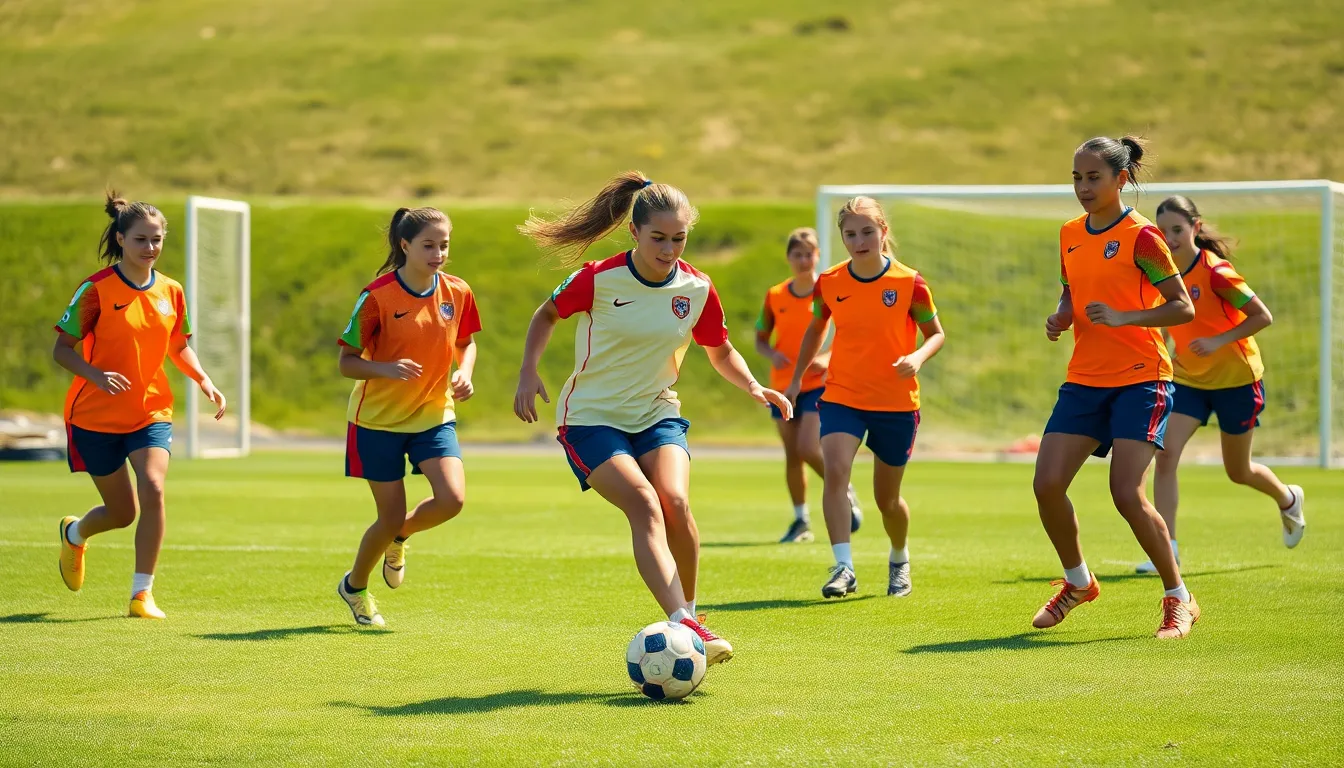
In the world of soccer, training sessions can be the secret sauce that transforms a good player into a great one. Picture this: a group of players sweating it out, perfecting their dribbling skills while dodging the occasional stray soccer ball. FIFA training sessions aren’t just about running laps and kicking balls; they’re a blend of strategy, teamwork, and a dash of fun that keeps athletes on their toes—literally!
Overview of FIFA Training Sessions
FIFA training sessions focus on enhancing player skills and fostering team dynamics. Coaches implement structured drills to improve technical abilities such as dribbling, passing, and shooting. Players participate in position-specific exercises that enhance individual roles on the field.
Skill development remains a priority during these sessions, as it directly impacts match performance. Utilizing competitive drills, players engage in scenarios that mimic real-game situations. This approach fosters decision-making under pressure, vital for successful play.
Teamwork exercises strengthen communication and collaboration among players. Small-sided games encourage creative tactics while promoting camaraderie. Training sessions include fitness components, with conditioning routines tailored to enhance endurance and agility.
However, maintaining an enjoyable atmosphere proves essential for player motivation. Incorporating fun activities boosts engagement and helps players build rapport with teammates. Coaches often rotate training activities to keep sessions fresh and exciting.
Strategic exercises during these sessions allow teams to develop their tactical game plans. Understanding formations and player roles ensures everyone is on the same page during matches. Overall, FIFA training sessions serve as crucial opportunities for players, ensuring they continue to grow and perform at their best.
Benefits of FIFA Training Sessions
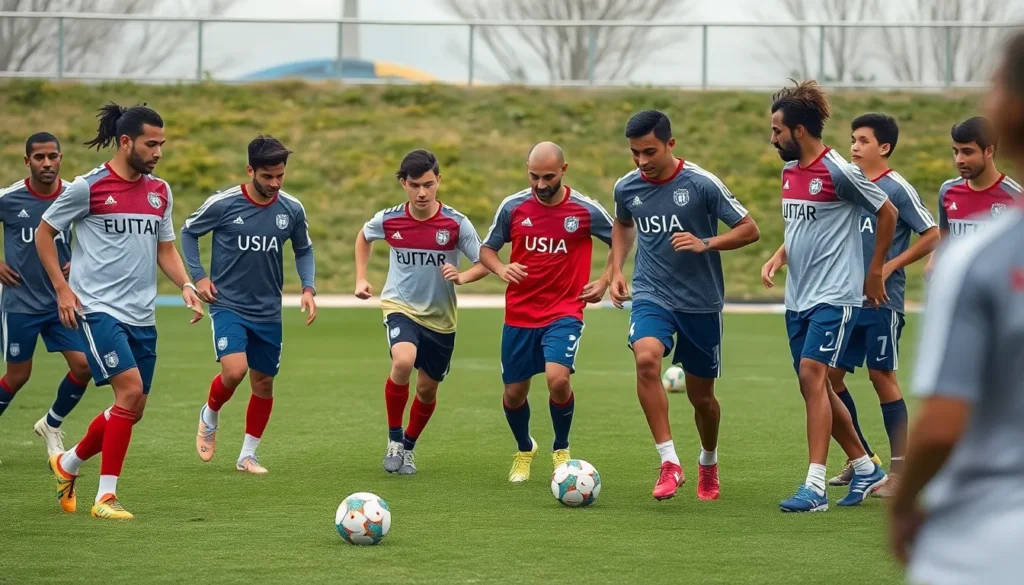
FIFA training sessions provide players with significant advantages. These sessions enhance technical skills, boost team dynamics, and improve overall performance on the field.
Skill Development
Skill development ranks at the forefront of FIFA training. Dribbling drills sharpen ball control, while passing exercises improve accuracy. Shooting sessions focus on technique and power, ensuring players can convert chances into goals. Position-specific exercises cater to individual roles, allowing players to excel in their unique positions. Competitive drills simulate real-game scenarios, enhancing decision-making under pressure. Players can practice various skills simultaneously through structured formats, translating training success into match performance.
Team Cohesion
Team cohesion plays a crucial role in team success. Communication exercises during training foster understanding among players. Small-sided games encourage collaboration and facilitate strategic teamwork, allowing for creative tactics. Trust develops as players engage in cooperative drills that require reliance on one another. Engaging in team-building activities also helps strengthen relationships, solidifying camaraderie. Training sessions centered around teamwork enable players to grasp formations and their roles within the system, resulting in effective synergy on game day.
Structure of FIFA Training Sessions
FIFA training sessions encompass a variety of components designed to enhance player performance and teamwork. These sessions emphasize a structured approach to skill development, which includes warm-up activities, drills and exercises, and cool-down techniques.
Warm-Up Activities
Warm-up activities lay the foundation for successful training sessions. These activities typically include dynamic stretches and light jogging, preparing muscles for intense exertion. Engaging in specific movements relevant to soccer, such as dribbling or lateral shuffles, also promotes muscle activation. Additionally, incorporating fun games helps increase players’ heart rates and fosters a relaxed atmosphere. Warm-ups usually last 15 to 20 minutes, ensuring that athletes are physically and mentally prepared for the upcoming training activities.
Drills and Exercises
Drills and exercises form the core of FIFA training sessions, focusing on technical skill enhancement. Specific drills target dribbling, passing, and shooting, aimed at improving players’ proficiency. Creating competitive scenarios simulates real-game situations, encouraging quick decision-making and tactical awareness during drills. Position-specific exercises strengthen individual roles, allowing players to practice their techniques in relation to team strategies. Typically, drills occur over 30 to 45 minutes, balancing skill acquisition with teamwork reinforcement.
Cool Down Techniques
Cool-down techniques are essential for recovering after rigorous training. These methods generally include static stretching and gentle movements to facilitate muscle relaxation. Players often engage in breathing exercises to promote mental relaxation and reflect on their training performance. Implementing a designated cool-down period of around 10 to 15 minutes also reduces the risk of injury and aids in recovery. Incorporating discussions about the training session fosters communication, enhancing team cohesion while winding down.
Common Mistakes to Avoid in Training
Avoiding common mistakes during FIFA training sessions enhances player development and team performance. Failing to focus on individual skills can hinder a player’s growth. Each player should prioritize technical abilities such as dribbling and passing in those critical training moments. Skipping warm-up activities often leads to injuries; adequate preparation sets the stage for effective practice.
Neglecting communication during teamwork exercises can disrupt team dynamics. Players need to converse clearly, ensuring everyone understands strategies and roles. Another pitfall involves not taking advantage of small-sided games. These games promote creativity and camaraderie, which are essential for teamwork.
Overlooking fitness components during training limits endurance and agility growth. Incorporating conditioning routines allows players to build strength while complementing skill development. Rushing through the core drills can diminish their effectiveness; players should commit to the full duration to maximize technical proficiency.
Not incorporating fun activities may lead to decreased motivation and engagement. An enjoyable atmosphere keeps players enthusiastic, fostering stronger relationships. In addition, underestimating the importance of cool-down techniques can impact recovery. Static stretching and breathing exercises play a vital role in preparing players for future sessions.
Recognizing these mistakes is crucial for improving training outcomes. Coaches must emphasize the significance of thorough preparation, effective communication, and enjoyable practices. Development thrives in a responsive and dedicated training environment, ultimately transforming players into valuable team contributors.
FIFA training sessions play a vital role in shaping skilled and cohesive soccer players. By focusing on technical abilities and fostering teamwork through structured drills, players can elevate their game significantly. The blend of competitive exercises and enjoyable activities creates an engaging environment that motivates athletes to improve continuously.
Incorporating fitness elements ensures players maintain peak physical condition, while strategic drills enhance their understanding of game tactics. Recognizing common pitfalls during training can further enhance effectiveness. Ultimately, these sessions are not just about individual growth but also about building a united team ready to face any challenge on the field.