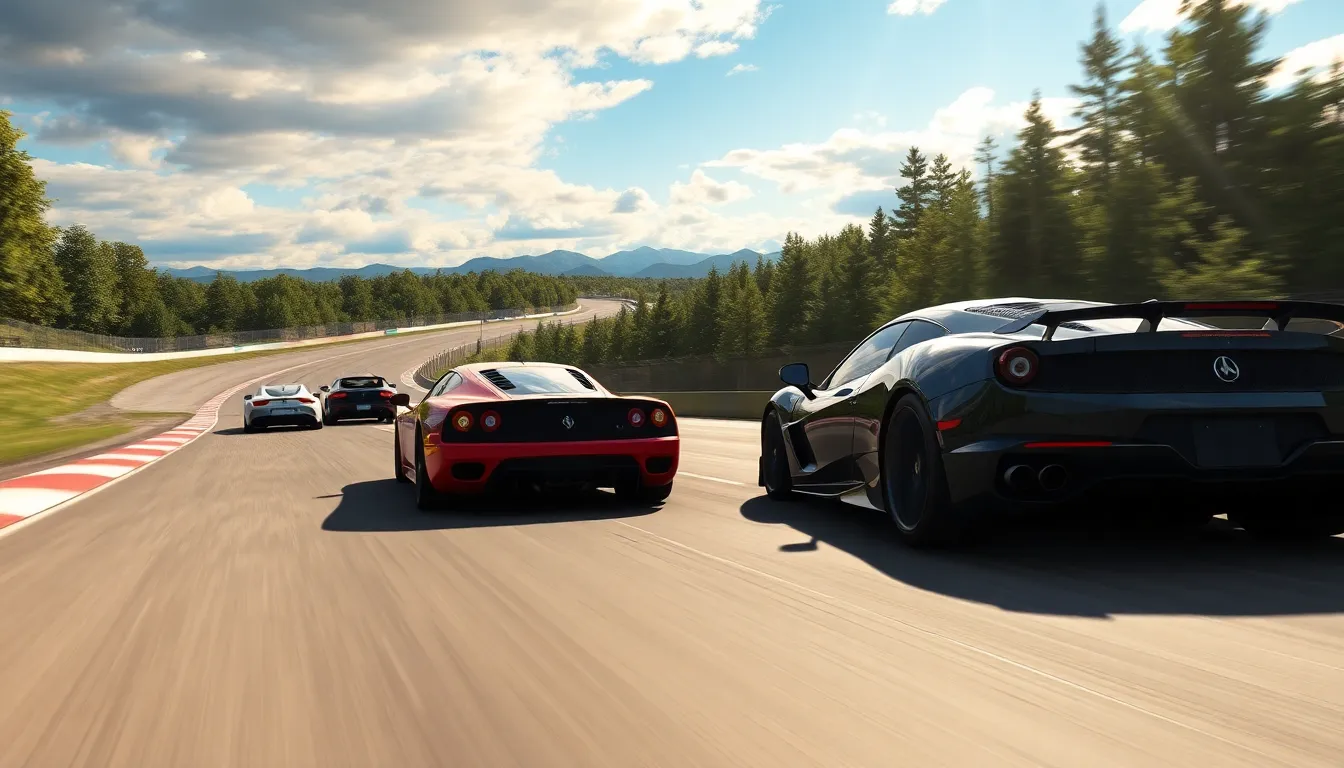
In the high-octane world of Gran Turismo, mastering the handbrake isn’t just a skill; it’s an art form. Picture this: you’re barreling down a winding track, tires squealing, adrenaline pumping, and then—bam! You pull that handbrake like a pro, drifting around the corner with the grace of a gazelle on roller skates. Suddenly, you’re not just racing; you’re performing a ballet on asphalt.
Overview Of Gran Turismo Handbrake
Mastering the handbrake in Gran Turismo plays a crucial role in a driver’s ability to navigate tight corners and maintain speed. Proper use of the handbrake transforms standard racing techniques, giving players a competitive edge. It enables skilled drivers to execute controlled drifts, sustaining momentum while minimizing time lost in turns.
Gran Turismo features diverse vehicles, each requiring unique handling strategies regarding handbrake usage. Players can practice with various car types to discover how different weights and power outputs affect drift performance. Vehicles with rear-wheel drive often respond more dramatically to handbrake inputs, allowing for more pronounced drift angles.
Understanding when to engage the handbrake is essential. For instance, pulling the handbrake just before entering a corner helps initiate a slide, making it easier to steer through tight spaces. Effective timing and proper application can mean the difference between finishing in first place or falling behind in the race.
Additionally, mastering the handbrake enhances overall vehicle control in challenging racing conditions. Wet or slippery tracks require nuanced handbrake manipulation to maintain grip. Learning to adjust handbrake techniques to suit weather conditions enables players to stay competitive.
Engaging with Gran Turismo’s in-depth system offers players valuable lessons in precision and finesse. Practice sessions can sharpen skills, allowing drivers to unlock advanced maneuvers. Each race presents an opportunity to refine handbrake techniques, contributing to ongoing improvement and ultimate racing success.
Through consistent practice, players unlock the art of the handbrake, creating a more exhilarating racing experience. Such mastery not only elevates individual driving skills but also enhances the excitement and authenticity of the Gran Turismo racing environment.
Features And Benefits
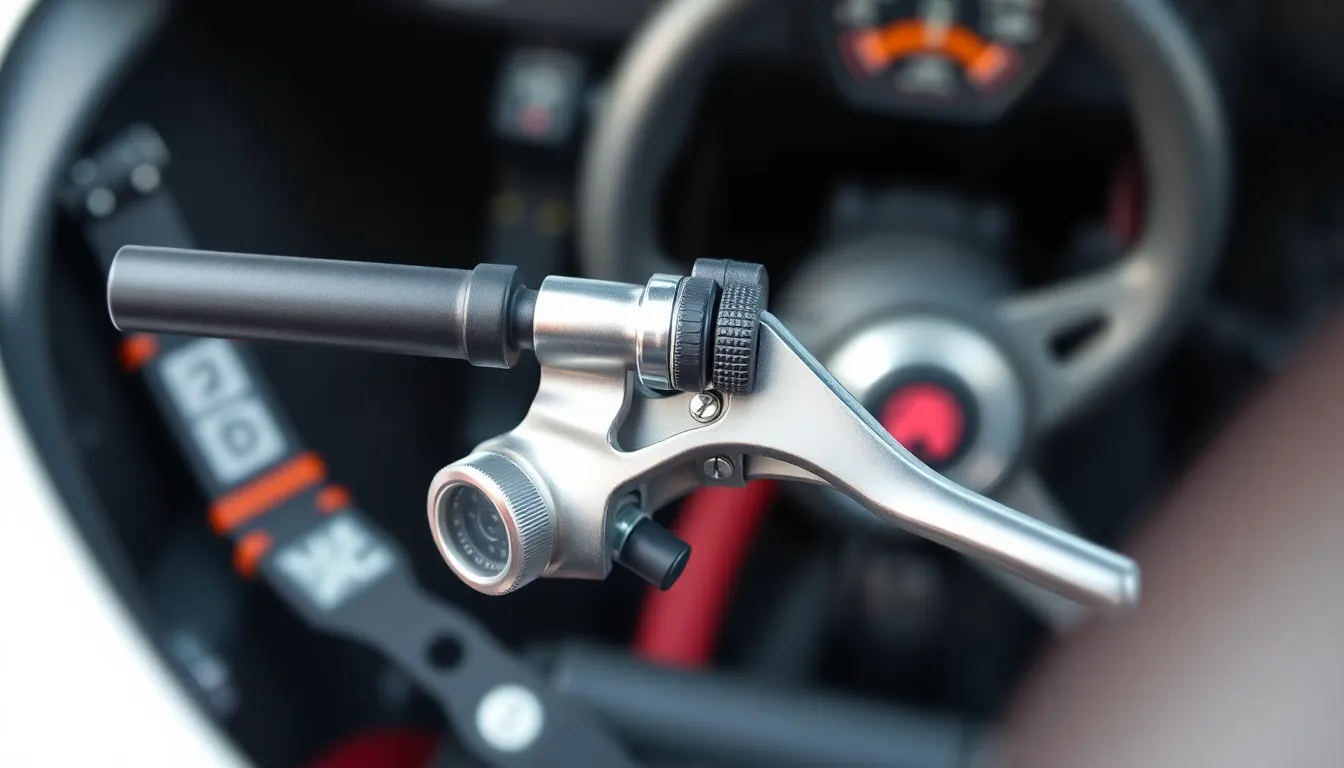
Gran Turismo’s handbrake features enhance both performance and enjoyment while racing. Players gain improved control and experience thrilling maneuvers.
Build Quality
Build quality influences performance significantly. High-quality handbrakes provide durability and reliability during intense races. Metal components often contribute to better feel and responsiveness, allowing drivers to execute precise movements. Complaints about lower-quality models often involve inconsistent performance, affecting the racing experience. A well-constructed handbrake supports frequent use, standing up to the demands placed on it during high-speed sessions. Materials and assembly techniques play a crucial role in achieving the desired sensory feedback crucial for mastering intricate drift techniques.
Adjustable Settings
Adjustable settings offer players personalization options. Customizing handbrake sensitivity can accommodate various driving styles, enhancing comfort during gameplay. Players can modify resistance levels to suit both novice and experienced racers alike. Tailoring the handbrake response allows for quicker reactions when approaching tight corners or initiating drifts. Such flexibility aids in developing personal strategies that lead to improved racing performance. Ensuring that adjustments align with individual preferences encourages better engagement with the game. Balance in adjustment keeps the driving experience authentic and enjoyable at all skill levels.
Comparison With Other Racing Handbrakes
The handbrake in Gran Turismo stands out among various racing games. Comparing it with other systems reveals significant differences in functionality and user experience.
Price Point
Various racing handbrakes come with a wide range of prices. Entry-level options frequently cost around $50, while premium models can exceed $300. Gran Turismo’s handbrake performance justifies its price, considering its durability and precision. Players often find that investing in higher-quality handbrakes enhances their gaming experience. Compatibility with different setups also plays a vital role in a handbrake’s value. Players seeking a better grip or adjustable sensitivity may prioritize options priced accordingly.
Performance
Handbrakes significantly affect overall racing performance. In Gran Turismo, its responsiveness allows for quick maneuvering, especially during drifts. Players utilizing the handbrake effectively can navigate tight corners with greater control. Comparisons reveal that some racing games struggle to replicate this level of engagement. Many gamers prefer Gran Turismo for its precise feedback and handling dynamics. Overall, performance metrics, such as speed retention and drift angles, highlight the importance of mastering the handbrake. Maintaining speed through corners becomes easier when players understand how to use the handbrake to their advantage.
User Experience And Feedback
Players frequently express their enthusiasm for using the handbrake in Gran Turismo. Mastery of this feature enhances their ability to navigate complex courses. Feedback often highlights how intuitive the control feels, allowing for seamless engagement during races.
Many gamers note that precision becomes a game-changer. The responsiveness of high-quality handbrakes is particularly appreciated, with players reporting improved confidence in their maneuvers. Positive experiences also arise from the customization options available, which enable adjustment of sensitivity to fit individual driving styles.
Community forums maintain discussions about various setups. Users regularly share tips on optimal handbrake techniques, showcasing the importance of practice. Some players recommend experimenting with different vehicles to better understand specific handling requirements.
Adaptability of the handbrake plays a significant role in racing dynamics. Feedback indicates that those using rear-wheel drive vehicles benefit from different drift angles, resulting in exciting gameplay moments. Tight cornering becomes more manageable with effective handbrake application.
Cost appears to correlate with quality, according to user reviews. Budget-friendly models priced around $50 receive mixed reviews, while premium options exceeding $300 typically garner positive feedback for their performance. Many players advocate for investing in higher-quality handbrakes, underscoring that better materials lead to enhanced durability and control.
Real-world racing experiences influence perceptions, as players draw parallels with actual racing techniques. Implementing handbrake strategies in-game translates into a more authentic racing feel. Overall, the handbrake’s significance in Gran Turismo resonates with gamers, making it a vital aspect of the racing experience.
Mastering the handbrake in Gran Turismo is essential for any serious racer. It transforms the driving experience by allowing for precise control and thrilling maneuvers. With practice players can unlock advanced techniques that enhance their performance on the track.
Investing in a high-quality handbrake pays off by providing the responsiveness needed for those critical moments during a race. As players refine their skills they not only improve their racing but also deepen their enjoyment of the game. Embracing the art of the handbrake elevates both competitive edge and the sheer excitement of racing in Gran Turismo.